Own the treatment searches
Implants, aligners, whitening and emergency appointments each attract different intent and value. Treatment pages let the practice compete where it wants to grow.
Patients search by treatment and 'near me', with Maps and reviews dominating the shortlist.
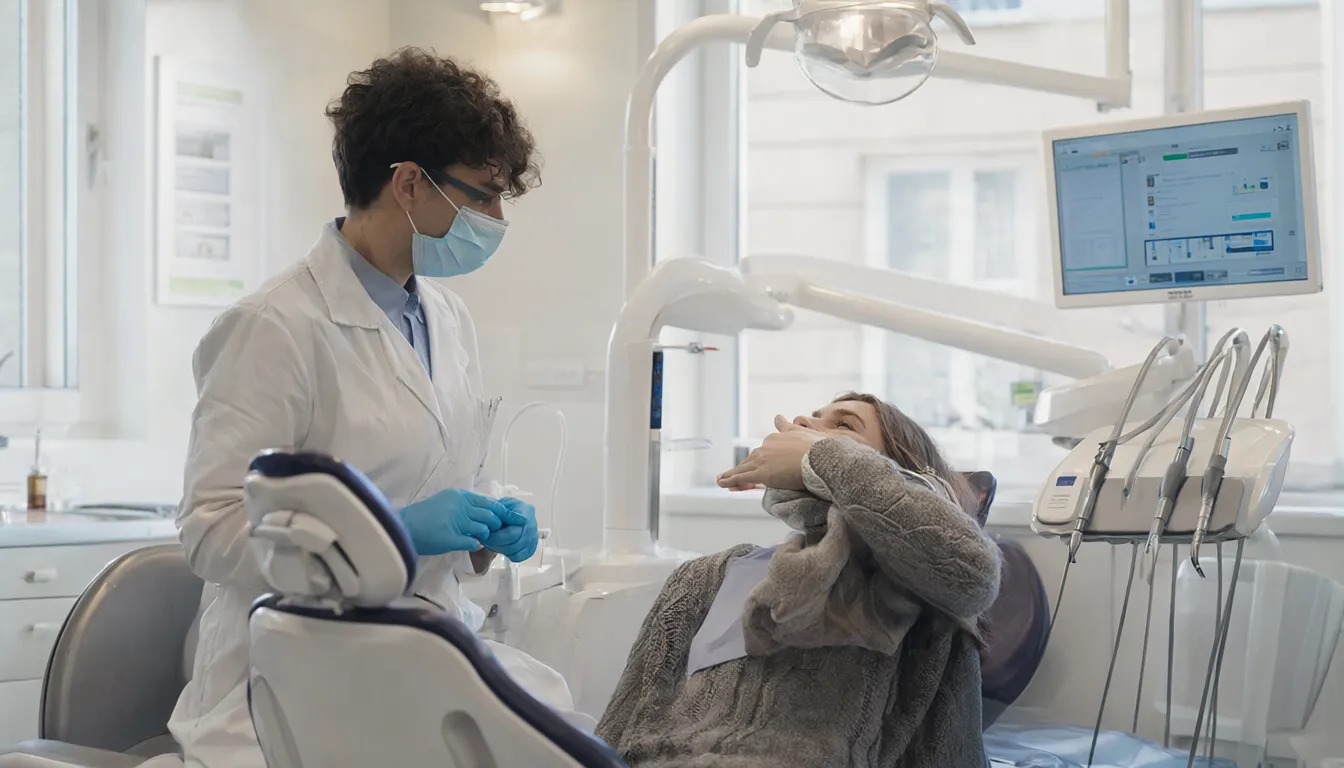
Dental searches are local, urgent and treatment-specific. Someone needs an emergency appointment, a hygienist, an implant consultation or a practice accepting NHS patients. They look at the map, the reviews and the first page of the website — usually on a phone.
The practices that win are the ones that make availability, treatments and boundaries clear. A beautiful brand page does not help if the opening hours are wrong, the phone number is buried or the site does not say whether new patients are being accepted.
The full programme is scoped after an audit — not before.
Implants, aligners, whitening and emergency appointments each attract different intent and value. Treatment pages let the practice compete where it wants to grow.
Most dental enquiries start in the map pack. Accurate categories, hours, photos and a steady review flow make the profile worth clicking.
Clear information about NHS availability, consultation fees and treatment suitability reduces wasted calls and builds trust before the appointment.
The same client may see a search result, a map pin and an AI summary in the same afternoon. Inconsistency between them is more damaging than a missing page.
People search with the problem, the place and the constraint. For dental practices, the useful queries combine a treatment with a location and a specific requirement. The page has to answer that combination in plain language before it asks for a call.
A map result, a phone number and a handful of reviews often decide whether the website is opened at all. Profile accuracy, office pages and the site's contact details must agree — especially for dental practices with more than one location.
Assistants gather facts and quote sources. Consistent service definitions, clear locations and verifiable proof give them something accurate to use. Vague positioning becomes a vague answer, and the firm disappears from the shortlist.
Each service is weighted for dental practices. The order below reflects the usual priority, not a fixed sequence.
Mobile-first speed, click-to-call, accessible booking forms and schema for the practice, treatments and FAQs.
View serviceGoogle Business Profile optimisation, consistent citations and location pages for each practice, with review handling that follows GDC guidance.
View serviceTreatment explainers, aftercare guidance and fee information reviewed by a clinician, with no misleading before-and-after claims.
View serviceLocal health directories, community sponsorships and dental trade publications — relevant citations rather than generic link volume.
View serviceA fast, accessible site with sticky call and booking actions, clear treatment navigation and forms that do not request clinical detail.
View serviceA practice-level audit of local visibility, treatment coverage, booking friction and review signals.
View serviceWe agree which treatments to promote, which are NHS or private, and what the practice can actually accommodate.
Practice details, hours, categories and photos are checked across the site, the map profile and core directories.
Pages are written with clinical review, clear fees where published and a booking route that works on mobile.
Calls, booking clicks and direction requests are measured by practice and treatment, not lumped into one number.
These are research themes, not a promise of rankings. Volume, competition and commercial intent are checked before anything is prioritised.
We build town pages only when there is genuine local research behind them. The architectural-firm network is live now; the other industries are hub-only while those pages are researched.
The architectural-firm network covers 32 UK towns and shows how we research a local market before publishing. It is the right reference point for how a future town page for dental practices will be built.
Explore the architectural-firm networkStraight answers, including the limits of what any agency can promise.
We can make NHS availability clear and improve local visibility, but we cannot influence NHS commissioning or contract capacity. If the practice is not accepting NHS patients, the site should say so plainly.
They can be used within GDC and advertising standards, but they need context, consent and honest representation. We do not publish misleading or selectively edited results.
Very. Reviews influence both map ranking signals and patient confidence. We help build a compliant request habit and response process; we never write or incentivise reviews.
For the treatments you actively provide and want to grow, yes. Each page needs clinically reviewed content and a clear next step. Thin pages for treatments you do not offer create risk without benefit.
Yes. We use a shared structure with practice-level pages and profiles, avoiding duplicate content across locations.
No. We can improve visibility, clarity and conversion paths, but patient demand, capacity and local competition also determine outcomes.
Tell us what you want to grow and what is currently limiting enquiries. We will tell you if we are the right fit, and what we would do first.